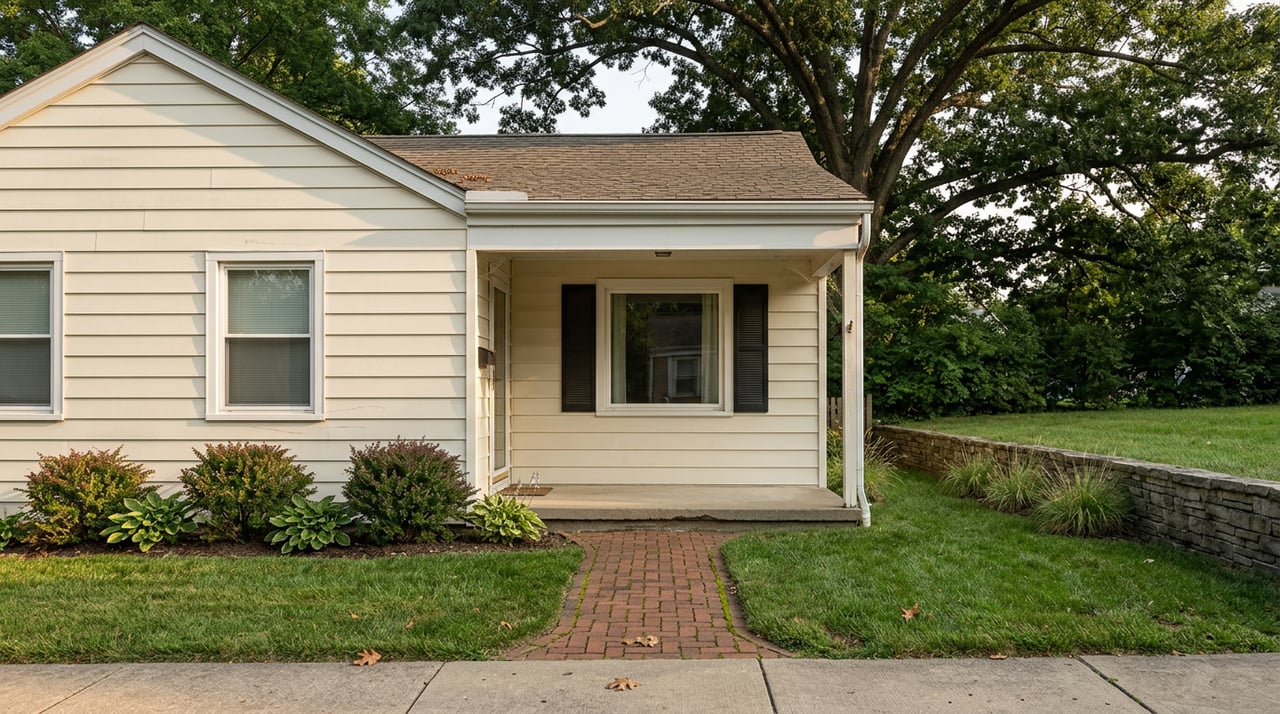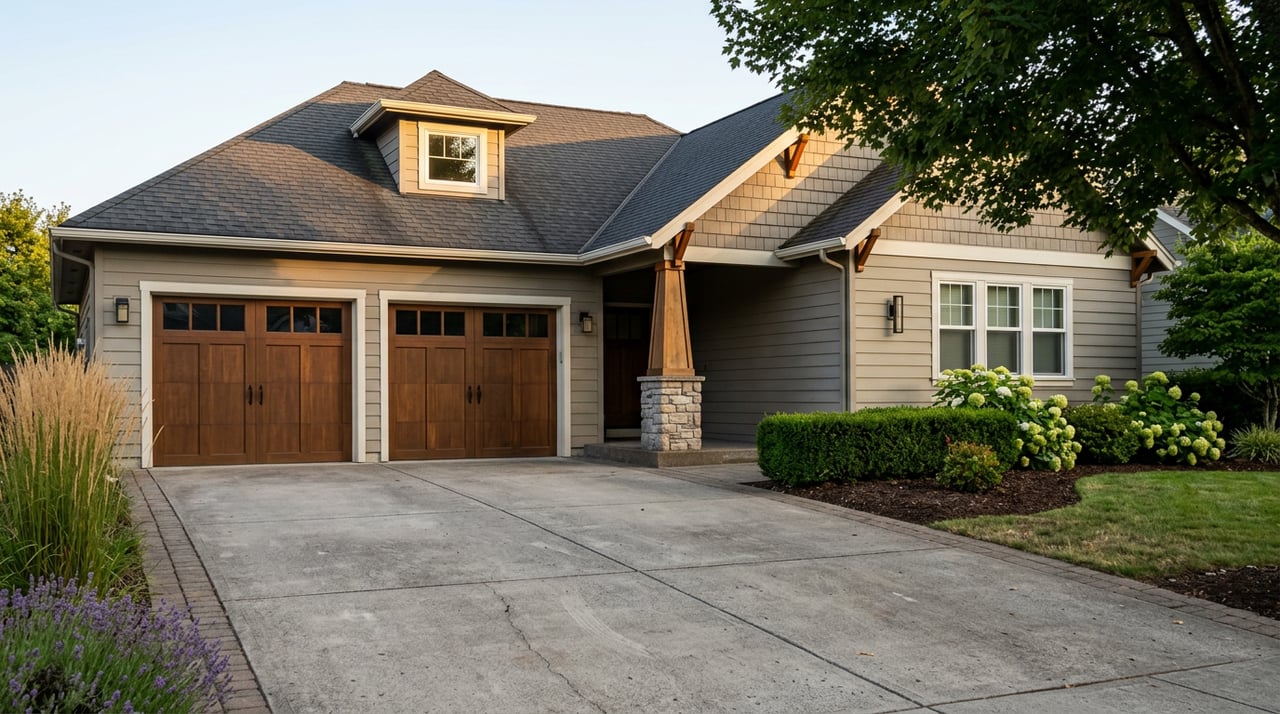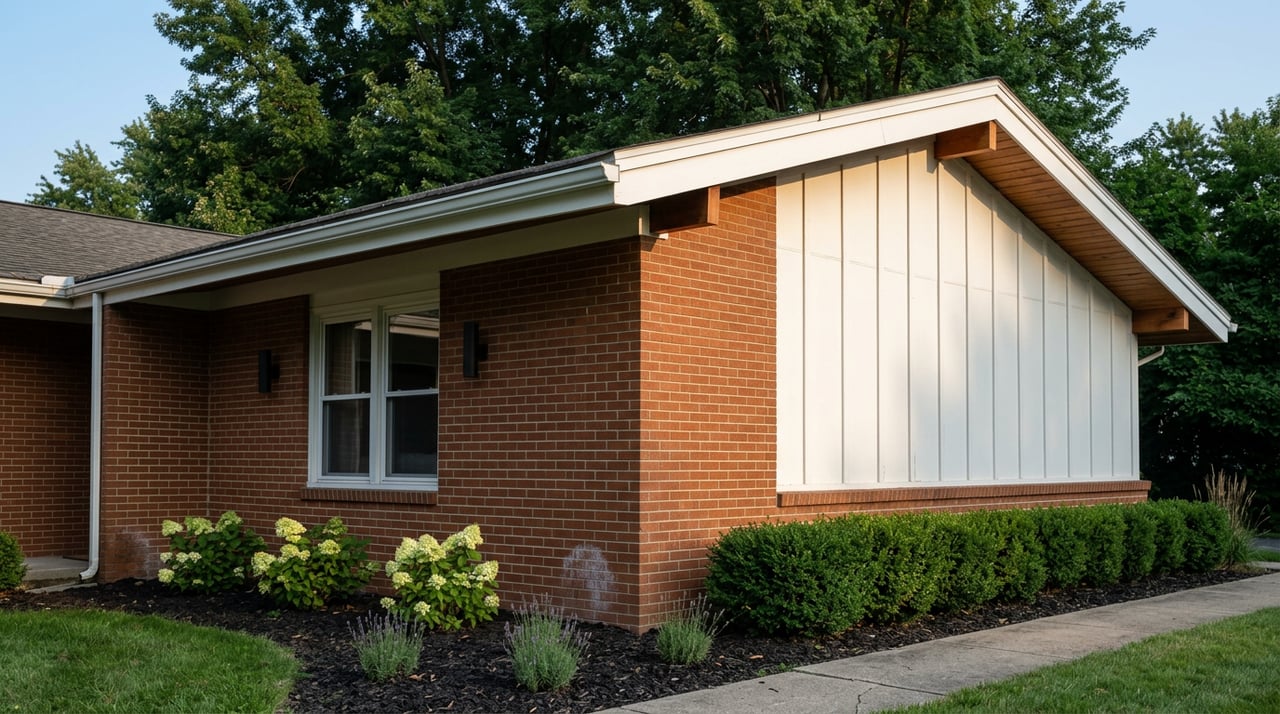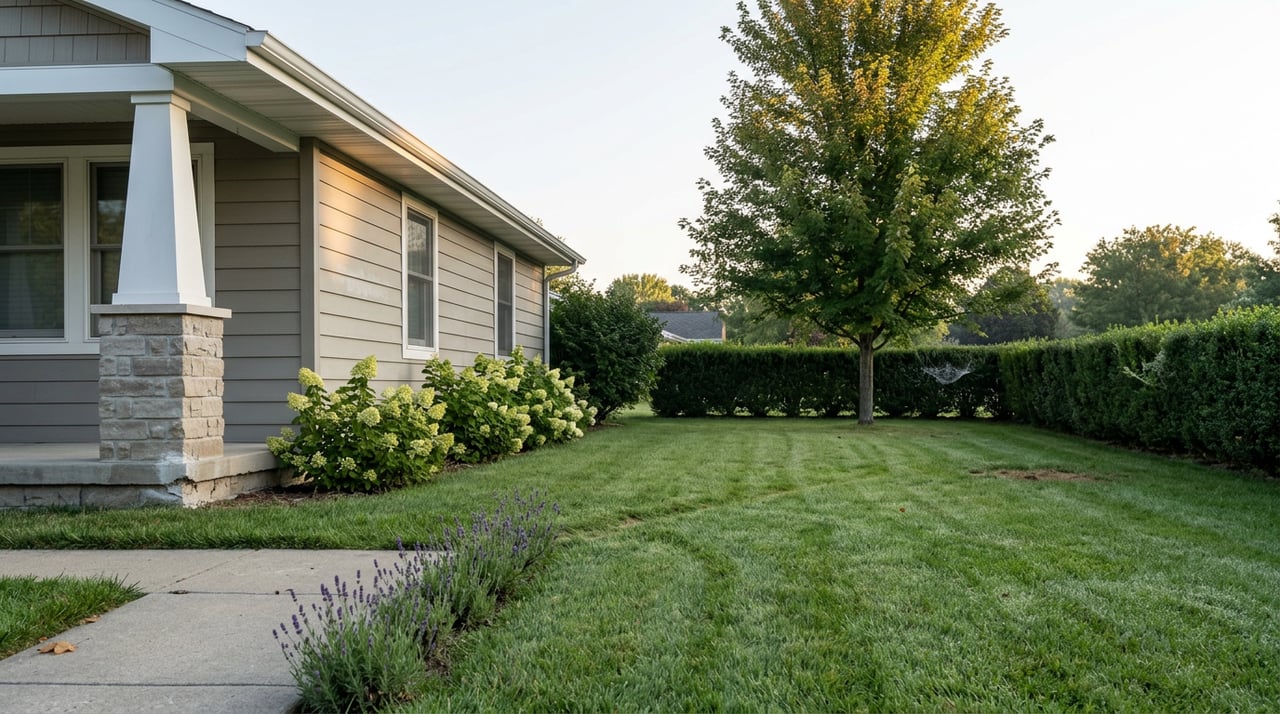
You close on a house in Nampa in October. The movers leave, the boxes get unpacked, and six weeks later a notice shows up in the mail that has nothing to do with your mortgage, your county tax bill, or the city water account you already set up. It comes from an outfit called the Nampa & Meridian Irrigation District. It lists an assessment number. It asks for payment by December 20.
If you're relocating from a place where lawns run off the same tap water as your kitchen sink, this looks like a mistake. It isn't. It's the single most common piece of paperwork that catches new Treasure Valley homeowners off guard, and understanding it before you write an offer can save you an awkward call to the title company later.
What This Bill Actually Is
Most Nampa subdivisions built since the early 1990s run on two separate water systems. One is the domestic water from your tap, billed the way city water is billed anywhere. The other is a pressurized irrigation system built specifically to water lawns and gardens, fed by canals rather than treated municipal supply.
A change in Idaho law in 1993 let irrigation districts contract directly with developers to build these systems inside new subdivisions. Once built, the system becomes property of the district, not the homeowner or the HOA. Nampa, Meridian, Boise, and Caldwell all have ordinances requiring pressurized systems in new subdivisions, which is why the arrangement is so common across the valley rather than being a Nampa quirk.
The district or city maintains everything up to the delivery valve at your lot line. Past that point, your sprinkler zones, timer, and backflow preventer are yours to install and fix.
The Bill Isn't Usage. It's a Tax on the Water Right
Here's the part that trips people up. This charge isn't metered the way a domestic water bill is. It's assessed against the water right attached to the land itself, based on the size of that right rather than how much water actually gets used. Two nearly identical lots can carry different bills if their underlying water rights differ.
Which entity sends you that bill depends on your specific address. In some subdivisions it's the Nampa & Meridian Irrigation District directly. In others, it's the City of Nampa Waterworks Division, which operates the pump stations, main lines, and curb stops, with the Pioneer Irrigation District managing canals that feed other parts of the city. You can't tell which applies just by looking at the house.
| Nampa & Meridian Irrigation District | City of Nampa Waterworks | |
|---|---|---|
| Maintains | Canals, laterals, and some subdivision pump stations | Pump stations, mains, and curb stops in many subdivisions |
| Bills you | A twice-yearly water right assessment | A seasonal irrigation charge on your city utility account |
| Your job | Everything from the delivery valve onward | The line from the curb stop to your sprinkler heads |
The average Nampa irrigation customer paid $199.05 a year before this season's roughly $10 increase took effect March 1, 2026, pushing the typical bill closer to $209 for five to six months of seasonal service. The number itself is modest. What happens if you skip it is not.
Why the Lien Clause Matters More Than the Dollar Amount
NMID assessments are typically due December 20 in full, or split with a second installment due the following June 20. Miss that window and the district doesn't send a second reminder and move on.
An unpaid irrigation assessment becomes a lien on the property, separate from your county property tax bill, and if it stays unresolved for three years the district can pursue a tax deed sale at auction.
The threshold for this is smaller than most buyers assume. In one enforcement action the district made public, a Meridian property assessed at $328,900 faced the possibility of auction over just $260.37 in unpaid irrigation taxes. That case shows exactly how far the mechanism reaches relative to the dollar figure attached to it.
For a buyer, the practical move is simple. A current good-standing or payoff letter from whichever entity bills the property belongs on your closing checklist right next to your mortgage payoff letter. Idaho title companies generally catch this, but confirming it yourself rather than assuming it's covered costs you nothing.
What Idaho's Disclosure Form Covers and Where It Stops
Idaho sellers complete a Property Condition Disclosure Form, with the exact required language written into Idaho Code 55-2508. It asks sellers to flag known problems with wells, septic systems, and similar mechanical items, and it's clear that sellers aren't required to inspect anything inaccessible and aren't offering any kind of warranty.
What it doesn't do is walk a seller through explaining whether an irrigation assessment is current, which entity bills a given lot, or when the seasonal system can actually be tested. Pressurized irrigation typically runs from mid-April through the first week of October, so a buyer closing in late fall has no real way to confirm the sprinklers function until spring arrives. That's worth building into your inspection contingency rather than leaving to chance.
Before you close, ask for:
- Confirmation of which entity, NMID or the city, bills the specific address
- A current assessment statement showing no delinquency
- Written notice of when the system was last turned on and tested
- Any shared-lateral or easement obligations tied to the lot, since NMID canal right-of-way rules restrict what you can build near them
What This Year's Drought Headlines Actually Mean Here
If you've been researching Nampa in the middle of 2026, you've probably seen the headlines. Idaho's governor and the Department of Water Resources declared a statewide drought emergency on April 13 after the state recorded its lowest snowpack on record and its second warmest winter since 1896.
Read past the statewide framing and the Treasure Valley's situation looks different from the one dominating coverage out of southern and eastern Idaho. The U.S. Drought Monitor placed Ada and Canyon counties in the mildest "abnormally dry" category even as the emergency was declared, while basins like the Big Wood and Salmon Falls Creek faced shortfalls above 50 percent.
The reason traces back to water rights older than most of the region's houses. NMID holds Boise River water rights dating to the late 1800s and storage rights in the Arrowrock and Anderson Ranch Reservoirs from the early 1900s. Those senior rights, combined with reservoirs full enough that the Army Corps of Engineers began flood-risk releases from the Boise River system in mid-April, let NMID project an on-time turn-on for the Ridenbaugh Canal this spring, close to its typical early-April start, rather than the cutbacks hitting basins elsewhere in the state.
That cushion shows up in how the city is behaving right now. As of this summer, Nampa sits at Stage 1 of its water conservation program, the mildest formal tier, focused mostly on awareness rather than mandatory restrictions. A century of senior water rights is doing a lot of quiet work behind that mild status.
None of that makes it bulletproof going forward. Reservoirs drew down to get the valley through this season, and a second dry winter would leave less carried into 2027. If you're weighing long-term costs, ask about the district's current reservoir position each spring rather than treating this year's mild bill as a permanent baseline.
One More Thing Worth Checking
If you're the type of buyer who plans to let a lawn go dormant during a dry summer to save money, check the subdivision's CC&Rs first. Idaho law hasn't carved out protection for homeowners in HOA-governed communities who want to cut back watering during a conservation call, so an HOA board can still enforce a green-lawn requirement even while the city is asking everyone to conserve.
Frequently Asked Questions
Is pressurized irrigation the same thing as my sprinkler system? No. The pressurized system is the delivery side, canal-fed water moving through a pump station and main line up to a valve at your lot line. Everything past that valve, including your actual sprinkler heads and zones, is equipment you own and maintain.
Does every home in Nampa have this? Most subdivisions built in the last three decades do, since city ordinance requires it in new development. Older infill lots and some rural parcels may rely on a private well or a different arrangement instead, so it's worth confirming for any specific address rather than assuming.
What if the seller's disclosure form doesn't mention the assessment status? Ask directly and request a current good-standing or payoff letter from whichever entity bills the property. The disclosure form isn't built to surface this particular detail on its own.
Does this year's drought mean my lawn will face restrictions? As of mid-2026, Nampa's conservation program is at its mildest tier and Ada and Canyon counties have fared better than most of the state this season. That could shift after a second dry winter, so it's a fair question to revisit each spring rather than settle once.
Buying in Nampa means learning a system most other markets don't have, and the details above are exactly the kind of thing that gets missed when you're managing a move from a few states away. If you want a second set of eyes on a specific address, or a walkthrough of what a property's irrigation and disclosure history actually looks like before you write an offer, Kent Davies is a phone call away. Download the free relocation guide for a full checklist built for exactly this kind of Treasure Valley detail.