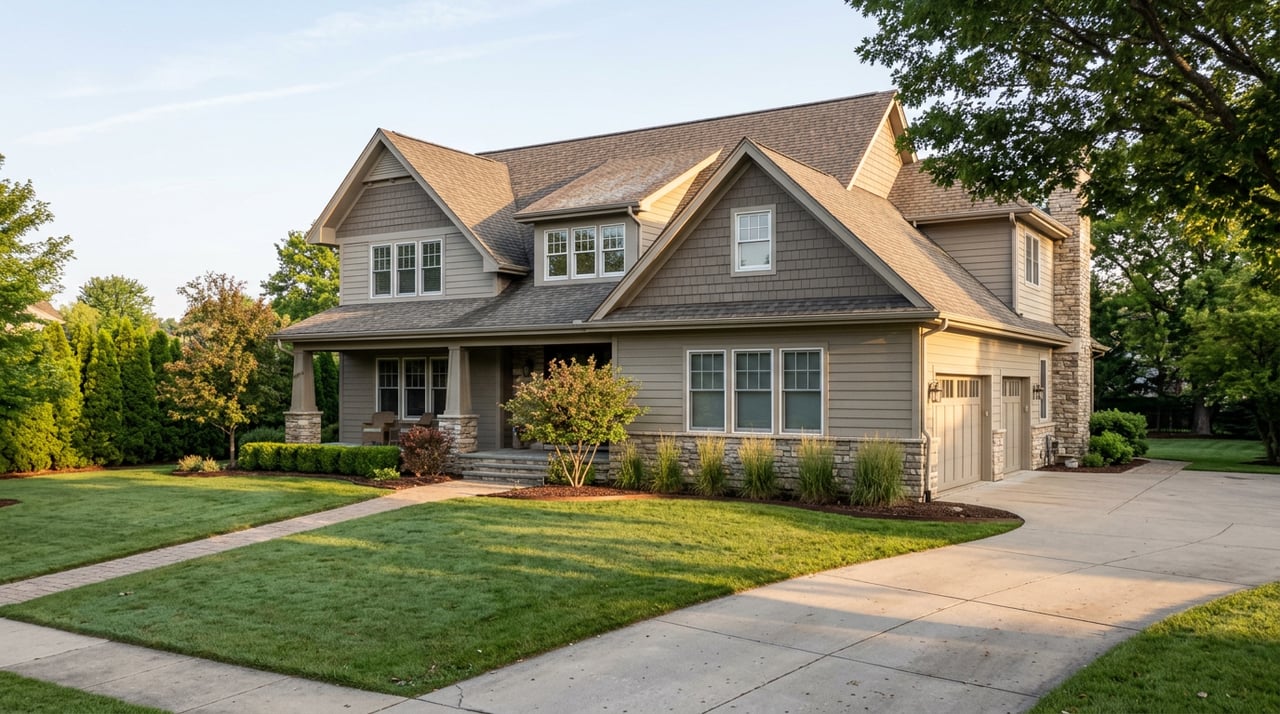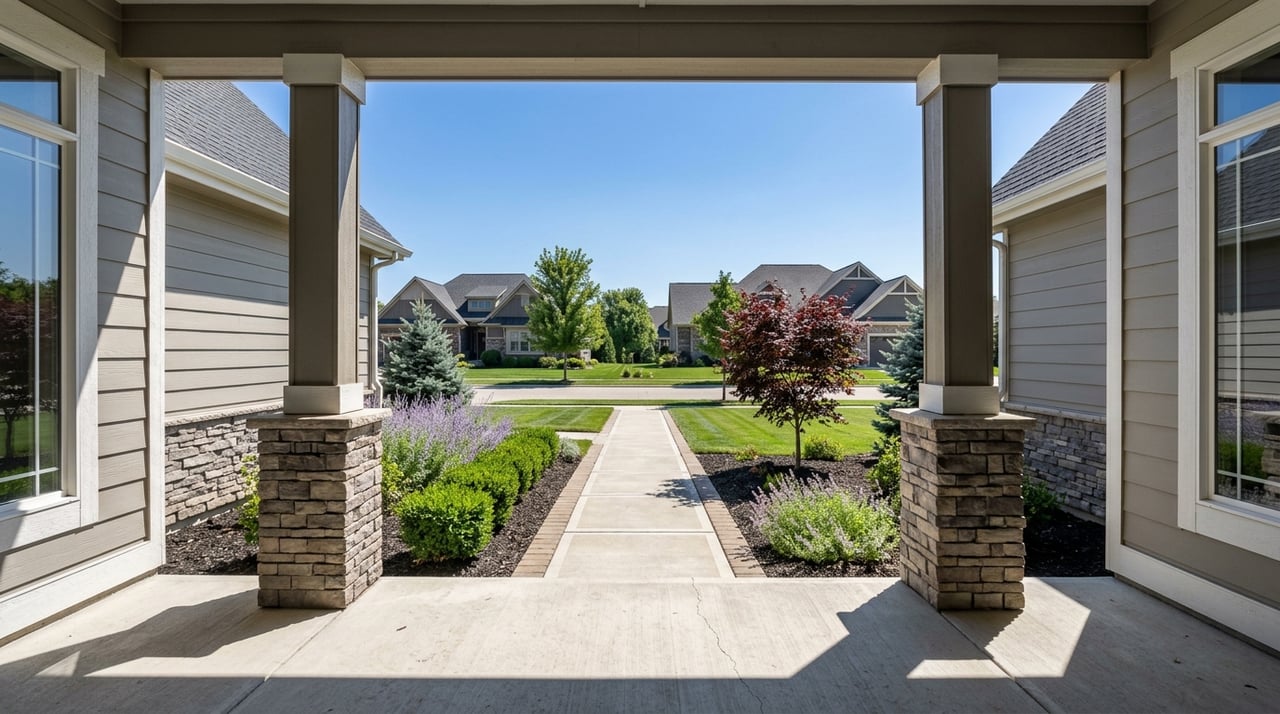
If you are thinking about buying new construction in Star, you are probably drawn to a specific mix that is getting harder to find in fast-growing areas: more elbow room, newer homes, and a setting that still feels a little less built out. At the same time, buying in a growing city comes with real questions about pricing, amenities, HOAs, and how much change is still ahead. This guide will help you understand what makes Star different, what the numbers say right now, and what to watch before you sign a builder contract. Let’s dive in.
Why Star stands out
Star has grown quickly, but it is still smaller than nearby Meridian and Kuna. According to Ada County population estimates, Star reached 19,920 residents in 2024, which reflects 1009.7% growth since 2000.
That growth matters, but so does how the city plans for it. The Star Comprehensive Plan emphasizes preserving a rural feel in many areas, including larger-lot patterns and lower-density development in parts of the city.
For you as a buyer, that often means Star can feel more acreage-oriented than Meridian, even while it remains part of the same fast-moving Treasure Valley growth corridor. In simple terms, you are not just buying a house here. You are often buying into a certain amount of space, openness, and long-term character.
What value looks like in Star
In Star, part of a home’s value often comes from more than square footage alone. Lot size, views, setbacks, and the overall setting can play a bigger role here than they might in a more built-up suburb.
That does not mean every part of Star is rural or low density. The city’s comprehensive plan also identifies areas meant for more traditional neighborhood development, so the feel can vary a lot depending on the subdivision and location.
That is why two new construction communities in Star can feel very different even if the homes are similar on paper. When you compare options, it helps to look beyond the floor plan and ask how much of the price is tied to the lot, the streetscape, and the surrounding land pattern.
Parks and pathways in progress
One of Star’s biggest draws is outdoor access, but it is important to understand that the amenity base is still growing. Some parks and recreation spaces are already open, while others are part of a longer-term buildout.
Official city information highlights Star Riverwalk Park as a 4.76-acre riverfront entry to a Boise River trail. The city also describes Freedom Park as a future 82-acre recreation area and notes that Hunter’s Creek Sports Complex includes sports fields, a skatepark, and picnic areas.
Star also maintains five city parks and facilities, and city planning documents point to continued investment in pathways and connections. For buyers, the key takeaway is simple: some amenities are ready now, while others are still unfolding as the city grows.
What that means for daily life
If you move to Star, you may enjoy newer parks, open space, and improving trail connections. You should also expect some services and amenities to feel less mature than in a larger, older city.
That can be a positive if you want a community that still feels like it has room to grow. It just helps to go in with clear expectations about what is finished today versus what is planned for the future.
What the market says right now
Star’s housing market may be more flexible than some buyers assume. In Realtor.com’s Star market snapshot, January 2026 data showed about 475 homes for sale, a median listing price of $707,499, and homes selling about 4.84% below asking. The market was classified as a buyer’s market.
For new construction buyers, that can create opportunities. Even in a fast-growth city, a buyer’s market can mean more room to negotiate on price, incentives, closing costs, upgrades, or timeline flexibility.
That does not mean every builder will negotiate the same way. Some may protect base pricing but offer incentives instead, especially on spec homes or homes that are farther along in construction.
Comparing Star to Meridian and Kuna
If you are deciding between several Treasure Valley cities, Star sits in a distinct spot. Based on Realtor.com data for Meridian and Kuna, Meridian had a median home price of $599,900 and Kuna had a median home price of $479,990 in late 2025 snapshots, both below Star’s median listing price.
That makes Star the higher-priced option of the three based on these snapshots. Meridian offers deeper inventory and a more established urban-suburban feel, while Kuna presents a lower-price entry point with its own growth story.
The choice often comes down to priorities. If you want more established services and a larger-city environment, Meridian may fit better. If value is your main focus, Kuna may be worth a look. If you want a smaller city with a more open feel and a newer-growth identity, Star often stands out.
What to know about builder contracts
New construction contracts deserve extra attention, especially if this is your first time buying from a builder. Idaho’s Attorney General advises consumers to treat residential construction contracts carefully and to get promises and warranties in writing.
According to the Idaho Consumer Protection Manual, for contracts over $2,000, the general contractor must provide a disclosure statement before the contract is signed. That disclosure covers items such as lien waivers, proof of liability and workers’ compensation insurance, extended title insurance, and the option to require a surety bond.
The same resource also notes common complaints like higher-than-expected costs, missed deadlines, and workmanship concerns. That is why you want every key detail documented, including included features, upgrade pricing, completion timing, punch-list expectations, and warranty terms.
Questions to ask before you sign
Before you commit to a new construction home in Star, ask for:
- The full contract and disclosure documents
- A written list of standard features and upgrades
- Estimated build timing and what could affect delays
- Warranty details in writing
- The subcontractor and provider information required before closing or final payment
If you are relocating or buying from out of area, this step matters even more. Clear paperwork helps reduce surprises when you cannot be on site every week.
Permits, fees, and timelines
Buyers sometimes assume that once they go under contract, everything moves in a straight line. In reality, growing cities often come with permit steps, inspections, and infrastructure timing that can affect the process.
The Star Building Department says development must meet building codes and notes that contractors must complete registration requirements before using the permit portal. The city also posted an alert about an ACHD impact-fee increase effective March 1, 2026.
For you, that means build costs and timelines can shift based on permitting, inspections, and fee changes. It is smart to ask how far along the permit process is, whether the home is already underway, and what deadlines could realistically move.
HOA rules matter more than many buyers expect
In many new construction communities, the HOA helps shape how the neighborhood looks and operates. That can be helpful for consistency, but it can also affect your day-to-day use of the property.
The Idaho Real Estate Commission enforcement page states that Idaho does not regulate homeowner’s associations, property managers, or home inspectors, and HOA issues are generally treated as civil matters. In practice, that means your due diligence matters.
Before you buy, ask for the CC&Rs, rules and regulations, dues schedule, architectural guidelines, and any history of special assessments. If you are considering landscaping changes, parking work vehicles, adding exterior features, or using the home as a rental in the future, review those rules early.
HOA items to review closely
Pay special attention to rules about:
- Exterior paint and design changes
- Landscaping and fencing requirements
- RV, trailer, or street parking restrictions
- Rental limitations
- Outbuilding, patio, or accessory structure approvals
- Monthly dues and possible assessment history
These details can shape your experience just as much as the home itself.
How Star compares in feel
Planning documents help explain the personality of each city. Meridian’s comprehensive planning materials describe a larger, more urbanized city planning for walkable centers, multimodal corridors, and diverse housing.
Kuna’s planning materials emphasize open space, agricultural heritage, and future infrastructure. Star sits in a different lane, balancing major growth with a stated goal of protecting its rural identity.
That is the tradeoff to understand. Star is not frozen in time, and it is not a remote rural market. It is a growing city trying to stay connected to a lower-density identity while adding homes, parks, pathways, and services.
Is Star a good fit for you?
Star may be a strong fit if you want new construction in a setting that often feels more spacious than other nearby options. It may also appeal to you if you are comfortable with a city that is still building out parts of its amenity base and infrastructure.
If you want the most established services and the deepest housing inventory, Meridian may offer more choices. If your top priority is a lower price point, Kuna may deserve a closer look.
But if your goal is to find a newer home in a city that still aims for a more open, rural-influenced feel, Star deserves serious attention. The key is knowing exactly what you are buying: not just the house, but the pace, pattern, and future direction of the community around it.
If you are comparing builder communities, weighing Star against Meridian or Kuna, or trying to buy from out of town, Kent Davies can help you make sense of the numbers, the neighborhoods, and the fine print so you can move forward with confidence.
FAQs
What makes new construction in Star different from Meridian or Kuna?
- Star generally offers a smaller-city setting with a more rural-influenced feel, while Meridian is more established and urbanized, and Kuna is typically the lower-price option based on the market snapshots cited above.
Is Star a buyer’s market for new construction homes?
- Based on the cited January 2026 Realtor.com snapshot, Star was classified as a buyer’s market, which may create room to negotiate on price, incentives, or upgrades.
What amenities are already available in Star for new construction buyers?
- Star has existing parks and facilities, including Star Riverwalk Park and Hunter’s Creek Sports Complex, while other amenities such as Freedom Park reflect ongoing community buildout.
What should buyers review in a Star new construction contract?
- You should review disclosures, warranty terms, upgrade lists, timing expectations, and all written promises carefully, using the Idaho Attorney General guidance as a reference point.
What HOA documents should buyers request in Star subdivisions?
- Ask for the CC&Rs, rules, dues schedule, architectural standards, and any special-assessment history so you understand restrictions and costs before committing.
How fast is Star growing compared with other Ada County cities?
- Ada County’s 2024 estimate shows Star had the highest percentage growth since 2000 among the compared cities in the report, even though Meridian remains much larger in total population.