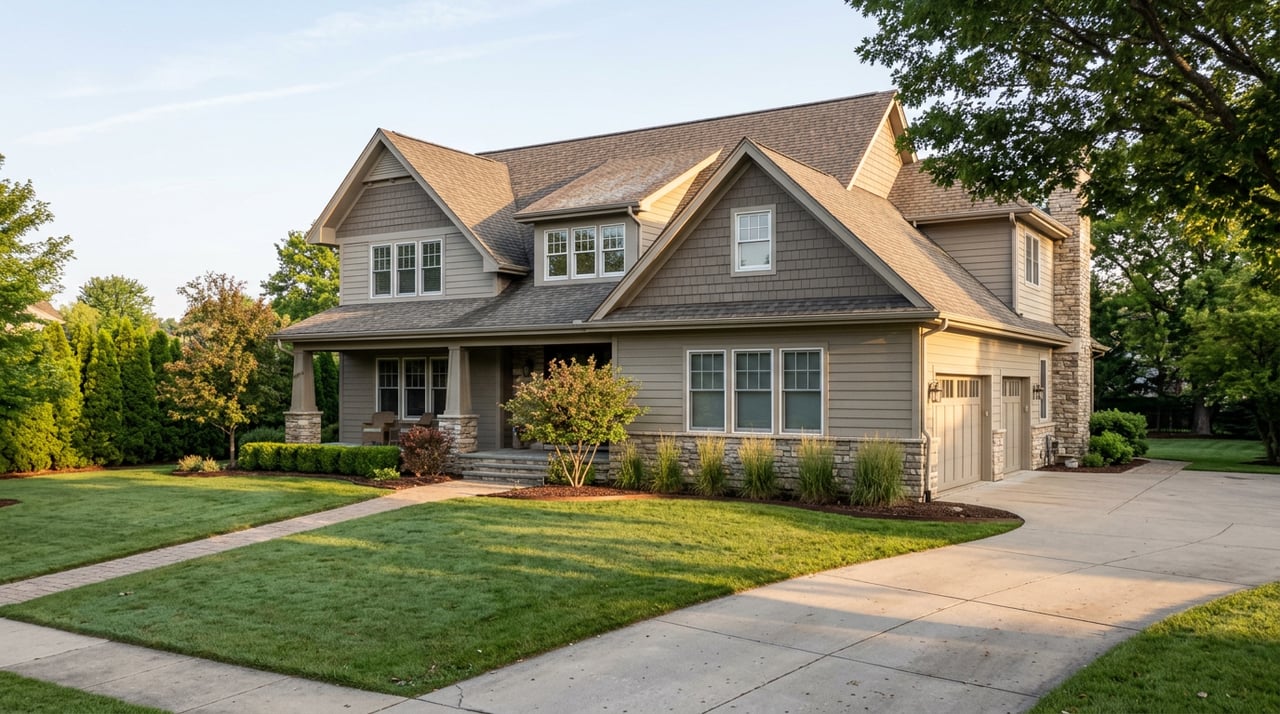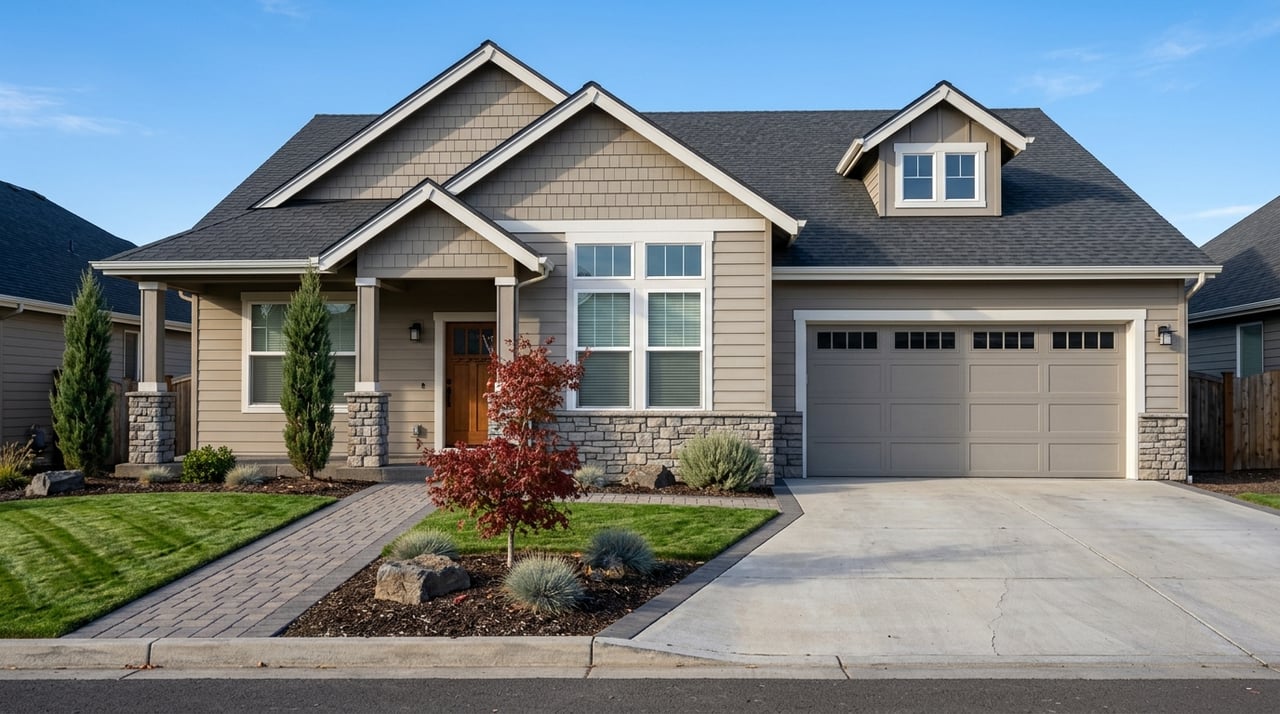
If you picture Boise living as quick trail access, big sky views, and a neighborhood that fits how you actually want to spend your day, the foothills probably already have your attention. For many buyers, the real question is not whether the Boise Foothills are appealing, but which nearby neighborhood matches their routine, home style, and commute preferences. This guide walks you through the main foothills-adjacent areas, what daily life feels like in each one, and how to narrow in on the right fit for you. Let’s dive in.
Why Boise Foothills Living Stands Out
Living near the Boise Foothills means more than having a scenic backdrop outside your window. Ridge to Rivers manages more than 210 miles of trails, and the City of Boise has helped preserve more than 12,500 acres in the foothills. That scale shapes daily life in a very real way, especially if you want open space, trailheads, and views close to home.
It also comes with some practical trade-offs. Boise summers can be hot, many foothills trails have very little shade, and Ridge to Rivers encourages early starts during warmer months. If you live near the foothills, you will likely get used to checking trail conditions, planning around weather, and adjusting your outdoor routine by season.
What Daily Life Feels Like
One of the biggest reasons buyers are drawn to the foothills is how easy it is to build outdoor time into a normal weekday. Instead of saving recreation for the weekend, you may be able to fit in a hike, bike ride, or quick walk before work or near sunset. That can be a major lifestyle upgrade if outdoor access is high on your list.
At the same time, not every foothills neighborhood functions the same way. Some areas are flatter, more connected, and easier to navigate on foot or by bike. Others sit higher in the hills, with steeper streets, less connected road networks, and a more car-centered daily pattern.
Boise also tends to keep commute times manageable. Local relocation material describes the city as having short, predictable commutes, with an average commute of about 20 minutes. For many buyers, the choice is less about escaping a long commute and more about deciding what kind of neighborhood rhythm fits best.
North End and Hyde Park
Best for historic Boise charm
If you want classic Boise character near the foothills, the North End is usually one of the first places to consider. It was Boise’s first suburban development, and today it remains one of the city’s most recognizable close-in neighborhoods. The area is known for mature trees, a relatively flat street grid, rear alleys, and a mix of architectural styles that includes Queen Anne, bungalow, Tudor Revival, Colonial Revival, and Ranch homes.
From a lifestyle standpoint, this is one of the strongest matches for buyers who want a walkable and bike-friendly feel. The North End has multiple bus connections to downtown, and walkability generally improves as you move closer to the city center. You also have easy access to Camel’s Back, Hulls Gulch, and Military Reserve, which helps blend city living with quick foothills recreation.
If you work downtown, near the Capitol, or around Boise State, this location is especially convenient. A practical planning estimate is about 5 to 10 minutes to downtown Boise and other central destinations. That makes the North End a strong option if you want foothills access without giving up an urban rhythm.
East End and Warm Springs
Best for older homes and quick recreation
The East End offers another close-in foothills lifestyle, but it feels different from the North End. Boise’s residential design guidelines describe the neighborhood as dominated by Craftsman bungalows, with Queen Anne cottages, American foursquare homes, and some Mission Revival or Spanish eclectic examples. The lots are relatively small, setbacks are consistent, and the area has the feel of an older, compact residential district.
Warm Springs Avenue adds a different layer to east Boise. This corridor is known for larger lawns, generous landscaping, long driveways, and prominent homes along a broad, tree-lined boulevard. Home styles here include Queen Anne, Colonial Revival, Mission Revival, and Tudor Revival, and the area is historically tied to early geothermal heat use in Boise.
For outdoor access, this part of the city is especially appealing. Table Rock is nearby for sunrise-to-sunset hiking and biking, and Military Reserve offers another major foothills access point with trails and a bike park. If you want older Boise character and easy access to some of the city’s signature outdoor spots, East End and Warm Springs deserve a close look.
A practical commute estimate here is also about 5 to 10 minutes to downtown Boise and the central employment core. That makes east Boise attractive for buyers who want a neighborhood with strong identity and close-in convenience.
Sunset, Highlands, and Central Foothills
Best for elevation and views
If your ideal foothills home includes more elevation, broader views, and quieter residential streets, this group of neighborhoods may be the better fit. Boise planning documents note a key difference here: Sunset and the North End are relatively flat and connected by a grid, while Highlands, Boise Heights, Central Foothills, and Somerset sit in the foothills with more vertical grade and less connected streets.
That distinction matters in everyday life. In flatter areas, it may feel easier to walk or bike between destinations. In the hillside neighborhoods, the terrain often shifts the routine toward driving, even when you are still fairly close to downtown.
Sunset is described in its neighborhood plan as nestled against the foothills with easy access to downtown Boise. The Highlands plan emphasizes proximity to both downtown and the foothills, along with a mix of housing types and a strong focus on open space and trail connectivity. These areas can be a great fit if you value privacy, topography, and a more tucked-away feel.
The trade-off is that the streets can be steeper, and the neighborhood layout may feel less connected than in the North End or East End. A practical commute estimate is around 10 to 15 minutes to downtown Boise, though the experience of the drive can vary depending on your exact location and route.
Harris Ranch and Barber Valley
Best for newer construction
If you are relocating and want a more planned, modern neighborhood environment, Harris Ranch and the broader Barber Valley area may stand out. Harris Ranch’s master plan describes more than 1,000 residences, strong pedestrian and bike paths, and direct access to preserved open space and river frontage. The community was designed around smart-growth principles, with a mix of housing types and future amenities like a Town Center and Village Green.
This area is especially strong if you want newer construction and a neighborhood that feels intentionally laid out. The lifestyle emphasis includes access to the Boise Greenbelt, Boise River, and foothills trail network. In the larger Barber Valley planning area, the city reports that 44.3 percent of the land is dedicated to park, recreation, and open space.
From a practical standpoint, Harris Ranch also stays connected to key destinations. The area is described as only a few minutes from downtown Boise, Warm Springs Golf Course, Bown Crossing, and the Boise airport. A reasonable commute estimate is about 10 to 15 minutes to downtown, with airport access often more convenient than in many other foothills neighborhoods.
Compared with the North End or East End, this area is less historic and more master planned. For many relocation buyers, though, that is exactly the appeal.
How to Choose the Right Foothills Neighborhood
If you are trying to narrow down your search, it helps to start with your daily routine rather than just the view. The Boise Foothills lifestyle can look very different depending on whether you prioritize walkability, home age, elevation, or new construction.
Here is a simple way to think about best fit:
- North End / Hyde Park: Best if you want historic charm, mature trees, flatter streets, and strong walk and bike access to downtown
- East End / Warm Springs: Best if you want older Boise character, established residential streets, and fast access to Table Rock and east-side trails
- Sunset / Highlands / Central Foothills: Best if you want elevation, views, and quieter streets, and you are comfortable with steeper terrain and more driving
- Harris Ranch / Barber Valley: Best if you want newer construction, planned amenities, trail connectivity, and a more structured neighborhood setting
You should also think about how you plan to use the outdoors. Lower foothills trails can be hotter and more exposed in summer, while upper-elevation options near Stack Rock and Bogus Basin are often around 10 degrees cooler than town. Depending on your habits, that may influence whether you want to live near an everyday trailhead, near the river and Greenbelt, or in a neighborhood that balances both.
A Smart Approach for Relocating Buyers
If you are moving to Boise from out of area, foothills living can be easy to romanticize at first glance. The views are real, the trail access is real, and the lifestyle benefits are real. But the best neighborhood for you still comes down to how you want an ordinary Tuesday to feel.
Do you want to walk to nearby destinations and still be close to trailheads? Do you want a historic home with established landscaping, or do you prefer a newer home in a planned community? Do you want to be tucked higher in the hills, or closer to downtown and central Boise?
Those are the questions that usually lead to the right decision. When you match the neighborhood to your routine, foothills living tends to feel practical, not just picturesque.
If you want help comparing Boise foothills neighborhoods, planning a relocation, or narrowing down the right area for your home search, Kent Davies can help you make a confident move with local insight and a low-friction process.
FAQs
What is it like to live near the Boise Foothills?
- Living near the Boise Foothills usually means quick access to open space, trailheads, and views, along with the need to plan around heat, trail conditions, and seasonal outdoor routines.
Which Boise neighborhood is best for walkability near the foothills?
- North End and Hyde Park are generally the strongest fit if you want flatter streets, a connected grid, mature trees, and easier walk and bike access to downtown Boise.
Which Boise foothills area is best for newer homes?
- Harris Ranch and Barber Valley are the clearest options if you want newer construction, planned amenities, and strong access to the Greenbelt, river, and foothills trails.
Which Boise foothills neighborhood is closest to downtown?
- North End, Hyde Park, East End, and Warm Springs are all close-in options, with practical commute estimates of about 5 to 10 minutes to downtown Boise.
Are Boise foothills neighborhoods more car-dependent?
- Some are and some are not. Flatter areas like the North End and Sunset tend to feel more connected, while hillside neighborhoods such as Highlands and Central Foothills often have steeper streets and a more car-centered daily pattern.
What should relocating buyers know about Boise foothills trails?
- Relocating buyers should know that foothills trails offer excellent access to recreation, but summer heat, limited shade, wet-trail restrictions, and seasonal management rules can affect when and how you use them.