Thinking about trading West Coast traffic and high costs for Boise’s trails and small-city feel? You are not alone. Many buyers from California, Oregon, and Washington want more space, a calmer pace, and a clear path to homeownership. In this guide, you will get current market context, tax and cost basics, a step-by-step relocation plan, and on-the-ground tips to make your move smoother. Let’s dive in.
Boise market snapshot, early 2026
Boise’s typical home values sit in the high $400s to around $500k. As of January 2026, common benchmarks put the typical value near $487,700 and the median sale price around $500,000. These numbers can shift month to month, so plan to verify with live data the week you start touring.
- Inventory varies a lot by neighborhood. Downtown, North End, Southeast, Bench, and Meridian often move at different speeds. Look at active inventory and median days on market for each target area.
- Expect a 4 to 6 week median to sell in recent snapshots, with hot homes moving faster.
- Ada County’s population grew to about 557,590 in 2024, and local estimates show continued growth. This helps explain demand, busy corridors, and new construction in Meridian, Eagle, and Canyon County. See county stats at the Ada County planning page for context: Ada County Development Services.
Taxes and recurring costs that affect affordability
Moving from the West Coast changes your tax picture. Here are the basics for Idaho:
- Income tax: Idaho lists a flat 5.3% individual income tax rate for 2025. Check for updates as you plan at the Idaho State Tax Commission.
- Sales tax: Idaho’s statewide sales tax is 6.0%. Local add-ons are limited.
- Property tax: Idaho’s effective property-tax rates tend to be lower than many coastal metros. Use county-level effective rates to estimate your bill. The Tax Foundation county tables are a good starting point.
- Homeowner relief: Idaho offers homeowner exemptions and a property-tax reduction program for eligible seniors and qualifying residents. These programs are county-administered under state rules. Review current details and confirm eligibility with your county. An overview of how counties implement these programs is available here: Property tax hub and exemptions.
How to estimate your property tax
Use this simple method when comparing Boise to your current city:
- Confirm your target purchase price in your preferred neighborhood.
- Look up Ada County’s effective rate using the Tax Foundation’s county data.
- Calculate: Target price × effective rate = estimated annual tax before exemptions.
- Apply the homeowner exemption or other reductions if you qualify. Always confirm with the county assessor before you rely on a savings estimate.
Example method: If you plan to buy at $500,000, multiply $500,000 by the published Ada County effective rate to get a ballpark annual bill. Then confirm any primary-residence exemptions with the county.
Where to live: a quick neighborhood map
- Downtown, North End, East End, and the Bench: Closer to restaurants, the Boise River Greenbelt, and foothill trailheads. Older homes and tree-lined streets in many pockets.
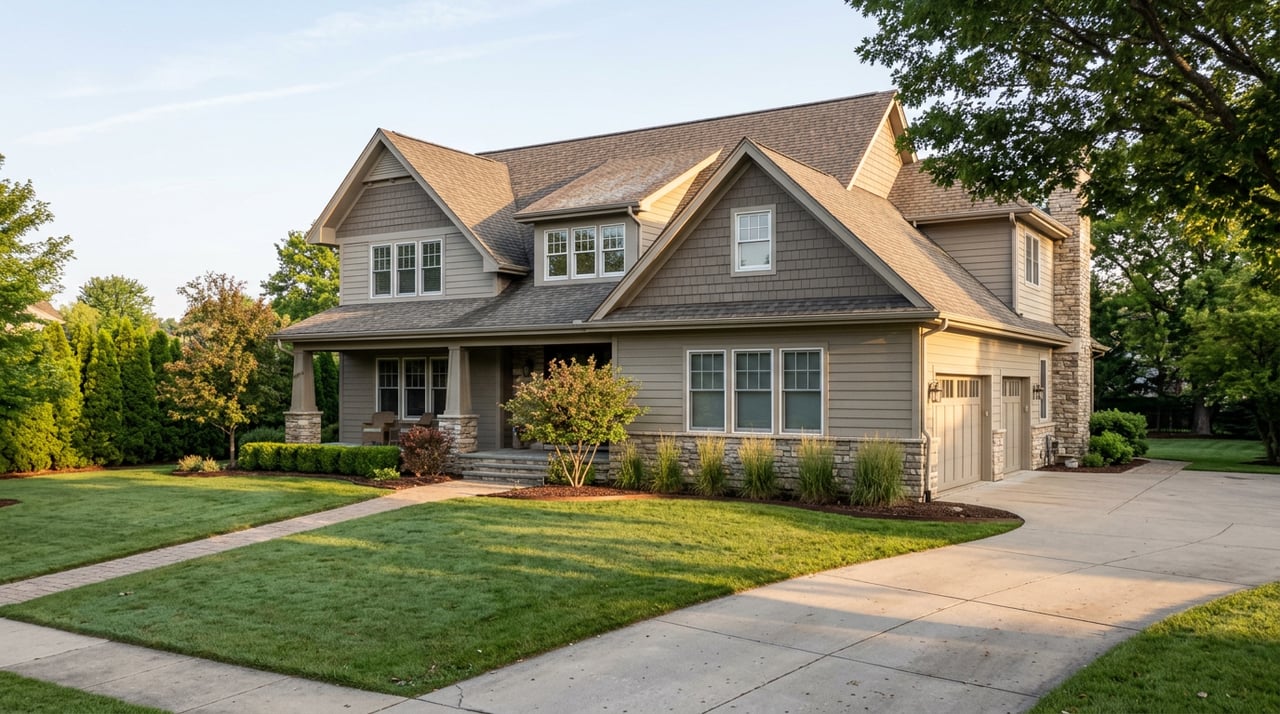
- Meridian and Eagle: More new-build subdivisions and larger floor plans, often at lower price per square foot than central Boise. Factor in commute and traffic tradeoffs.
- Boundaries and HOAs: Boise has many neighborhood associations. If an HOA matters to you, review governing documents and event calendars to learn local norms. City planning layers show defined associations: Boise neighborhood association map layer.
Commute reality check
Boise’s average one-way commute is generally under 30 minutes, but congestion has increased on I-84, especially from Meridian and Nampa into Boise during peak hours. Test your routes at your real commute times and review local traffic context. A quick overview of commute factors is available here: Boise livability and commute context.
Climate and outdoor life
Boise’s high-desert climate brings hot, dry summers and modest winter snow. Average July highs often land in the 80s to 90s °F, with about 11 to 12 inches of annual precipitation. Plan for irrigation needs and summer cooling, and enjoy quick access to foothill trails, the Greenbelt, and skiing at Bogus Basin. For climate normals, see Boise Air Terminal climate charts.
Schools and district boundaries
Two main public districts serve the metro: Boise School District (central Boise) and West Ada School District (Meridian, Eagle, and parts of west Boise). Boundaries do not always match city lines. Always verify the assigned school for a specific address with the district and the seller’s agent. Start here: Boise School District resources.
Insurance and wildfire: what many newcomers miss
Wildfire risk has influenced homeowners insurance in recent years, with some carriers raising premiums or changing underwriting in parts of Idaho. If a property is near the foothills or in the wildland-urban interface, get an insurance quote early in your offer period and ask about mitigation features like defensible space, ember-resistant vents, and Class A roofing. Recent analysis points to rising premiums and policy changes across the region. Learn more about trends here: Idaho homeowners insurance trends.
A practical relocation timeline
Use this schedule if you plan to buy within the next 6 to 12 months.
6–12 months out
- Research neighborhoods and set a buying budget.
- Get a preliminary mortgage pre-approval if you will finance.
- Decide whether to sell first or buy first. If selling, arrange a remote valuation.
3–6 months out
- Start active searches with virtual tours and callbacks.
- Schedule live virtual walkthroughs for top picks.
- Gather moving quotes. Long-distance container or freight options from coastal metros to Idaho often range about $1,000 to $6,000+, while full-service movers can be $5,000 to $10,000+ in busy seasons. Get binding quotes and compare. See route examples at GoodMigrations.
- If schools matter, verify boundaries for each short-listed home.
30–60 days out
- Pin down offer strategy. Sight-unseen offers are possible, but keep tight inspection windows and clear title contingencies.
- Order inspections and line up insurance quotes.
- Finalize a moving contract and confirm temporary housing.
- Typical financed closings take about 30 to 45 days from acceptance to closing. Cash can move faster. Review timing with your lender and title team. See typical timelines here: Closing timeline overview.
Arrival and post-move
- Transfer utilities, update insurance, and file your homeowner exemption if eligible.
- New residents should obtain an Idaho driver’s license and title/register vehicles promptly. Check your county’s exact steps and documents before you arrive and reserve an appointment if available. Start with the Idaho Transportation Department DMV.
Realistic moving and setup budgets
Build a simple working budget so there are no surprises:
- Moving vendor: container or freight service range, or full-service mover quote
- Temporary housing: short-term rent or furnished stay (summer costs more)
- Travel: flights, pet transport, hotel nights
- Inspections and appraisal: lender can estimate prepaid items
- Closing costs: title, escrow, lender fees (ask for a Loan Estimate)
- Utility deposits and setup: electricity, gas, water, broadband
- HOA transfer or community setup fees: if applicable
- Home insurance: especially verify early if near foothills or open space
- Initial home projects: locks, paint, minor repairs, yard setup
Buying from out of state without regret
- Use live video walk-throughs for each contender and record them.
- Ask your agent to capture commute noise, street traffic, solar orientation, and any slope or drainage issues.
- Validate property taxes for the parcel and recent sold comps, not just list prices.
- If wildfire exposure is possible, secure an insurance quote before you finalize negotiations.
Common missteps to avoid
- Scheduling flights and leases before your closing date is firm.
- Making sight-unseen offers without a right-to-inspect window and strong title and financing contingencies.
- Ignoring price per square foot, lot premiums, and view or foothill impacts on value.
- Skipping school and boundary checks for the specific address.
- Assuming insurance will be easy or cheap near the foothills.
How a local relocation specialist helps
A Boise-based relocation partner can save you time, money, and stress:
- Neighborhood truth: candid video tours, street feel, traffic at commute hours, HOA culture, and microclimate.
- Boundary checks: confirm school assignments and district lines for each parcel.
- Vendor coordination: inspectors, repair bids, and wildfire-mitigation pros before you close.
- Paperwork and timing: local title guidance, homeowner exemption steps, and a realistic, smooth closing schedule.
You also get structured search tools, virtual-touring support, and current market context tailored to your goals. That combination makes moving feel manageable instead of overwhelming.
Ready to plan your move?
If Boise is on your radar, you do not have to figure it out alone. I combine neighborhood expertise with virtual tours, new-construction intel, and a clear, low-friction process designed for out-of-market buyers. Let’s talk about your timing, budget, and wish list, and map a plan that fits your family. Connect with Kent Davies to get started and download the free relocation guide.
FAQs
What is the current median home price in Boise?
- As of January 2026, common benchmarks show a typical value near $487,700 and a median sale price around $500,000, and these figures can change month to month.
How does Idaho income tax compare when moving from CA, WA, or OR?
- Idaho lists a flat 5.3% individual income tax rate for 2025, while the other states use different structures, so review your situation and see the Idaho State Tax Commission guide for current rules.
How long does it take to close on a Boise home?
- Typical financed purchases take about 30 to 45 days from offer acceptance to closing, while cash deals can close faster; see the closing timeline overview and confirm with your lender.
What should I know about driver licenses and vehicle registration after I move?
- New residents should obtain an Idaho driver’s license and title/register vehicles promptly, so check county-specific steps and documents at the Idaho Transportation Department DMV before you arrive.
Are Boise winters snowy and summers very hot?
- Boise has hot, dry summers and modest winter snow, with average July highs in the 80s to 90s °F and about 11 to 12 inches of annual precipitation; see Boise climate normals.
How do I estimate property taxes for a home in Ada County?
- Multiply your expected purchase price by the county’s effective rate from the Tax Foundation county tables and then confirm exemptions with the county assessor.
What moving costs should I expect from the West Coast to Boise?
- Long-distance container or freight options often range about $1,000 to $6,000+, and full-service movers can run $5,000 to $10,000+ in busy seasons; compare quotes at GoodMigrations.
Do school boundaries match city limits in Boise?
- No, boundaries vary by address; verify the assigned schools for any listing with district tools and the seller’s agent, starting with Boise School District resources.
Will wildfire risk affect my homeowners insurance in Boise?
- It can, especially near the foothills or wildland-urban interface, so secure a quote early and review mitigation measures; see trend context at Idaho homeowners insurance trends.